Chronic Loneliness Increases Dementia Risk by 40%, 20-Year Study Finds
Long-term social isolation is a critical risk factor for cognitive decline, while occasional loneliness shows no significant impact on brain health.
 👥Society
Photo: UNIAN
Key points
- Chronic loneliness raises dementia risk by 40%, whereas occasional loneliness does not.
- Living with family members does not automatically prevent deep-seated feelings of isolation.
- Biological damage to the brain is caused by chronic stress and systemic inflammation.
- Social engagement is a crucial component of preventive healthcare for the elderly.
A major study published in the journal Aging & Mental Health challenges the assumption that all experiences of loneliness are equally harmful to cognitive health. Researchers monitored 3,777 individuals aged 65 and older over a twenty-year period to determine the link between social isolation and dementia. The findings suggest that the duration of loneliness, rather than the feeling itself, is the decisive factor.
Statistical Insights and Biological Mechanisms
Participants were categorized into three groups: those who never felt lonely, those who experienced it occasionally, and those suffering from chronic loneliness. The results showed a stark contrast: the dementia rate among those who never felt lonely was 33.1%, compared to 49.1% in the chronically lonely group. This indicates that persistent isolation increases the risk of developing dementia by nearly 40%.
Karin Peres from the Bordeaux Population Health Research Center explains that chronic loneliness triggers a cascade of negative biological reactions. Constant activation of stress response mechanisms leads to long-term inflammation and immune system strain. Furthermore, lonely individuals are more likely to be physically inactive and have poorer diets, contributing to cardiovascular disease and diabetes—both significant risk factors for dementia.
Loneliness Within the Family
A key finding was that living with others does not necessarily protect against isolation. Nearly 30% of participants experiencing chronic loneliness lived with partners or in large households. According to lead researcher Ivanna Simon, this suggests that vulnerability often stems from unsatisfying relationships or a lack of meaningful activities rather than physical solitude.
Scientists are calling on healthcare providers and social services to look beyond living conditions and assess an individual's subjective sense of connection. Interventions aimed at addressing long-term loneliness could become a vital target for public health strategies focused on healthy cognitive aging.
Source UNIAN — unian.ua/health/samotnist-i-demenciya-naukovci-z-yasuvali-koli-rizi… ↗
Read next
 🏙️City
Ukraine receives record €8 billion tranche from the EU: primary allocation areas
Ukraine's state budget has received its largest single payment of €8 billion under the EU's Ukraine Facility scheme. The funding is earmarked for priority public spending…
 🧠AI Analysis
Lawyer in NABU Detective Crash Case Ready to Testify Before Parliament Committee
The legal representative of a student killed in a 2018 traffic accident has appealed to a parliamentary committee over alleged investigation delays.
 🏙️City
Government Aid for IDPs in December: Payment Conditions and Important Deadlines for Zaporizhzhia Residents
In December 2026, internally displaced persons (IDPs) in Zaporizhzhia and the region will continue to receive state living assistance, but payment conditions depend on in…
 🏙️City
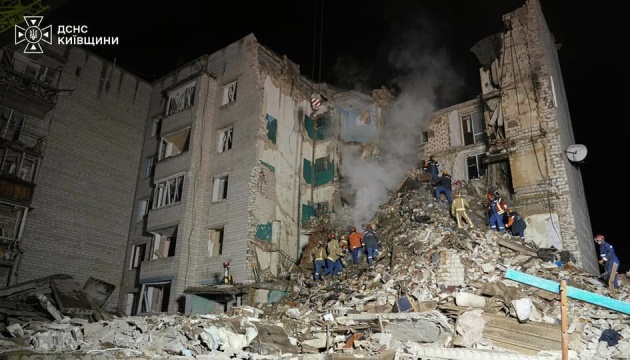
Kyiv Region Rescuers Pull 7-Year-Old Boy from Rubble, Death Toll Rises to 11
In Dymer, Kyiv region, rescuers found and saved a 7-year-old boy who spent 14 hours under the rubble of a destroyed building. Meanwhile, the number of casualties from the…
 🧠AI Analysis
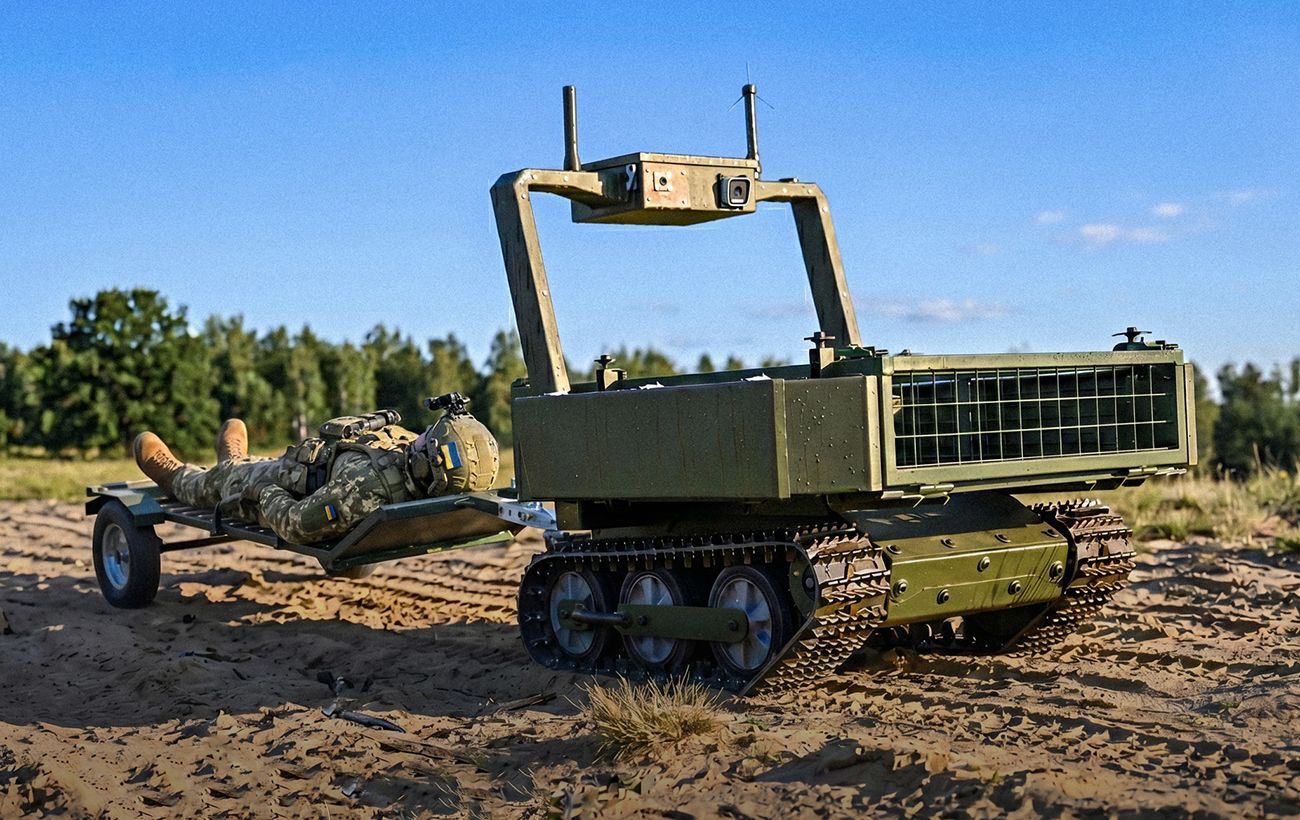
Ground Robotic Systems at the Front: Why UGV Will Not Replace Armored Vehicles
Leading Ukrainian robotics manufacturers state that ground-based robotic systems (UGVs) will not completely replace armored vehicles on the frontline, but will significan…
 🧠AI Analysis
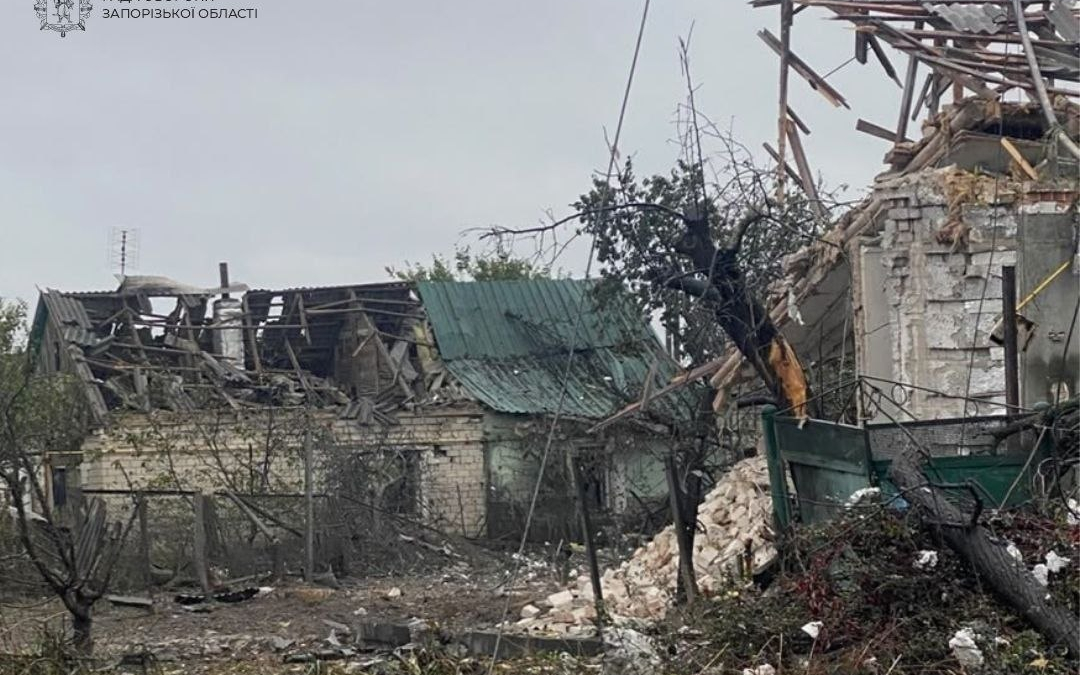
Consequences of enemy strikes on Zaporizhzhia: One dead and several injured
Over the past day, Russian forces launched massive strikes on Zaporizhzhia and the region, resulting in one fatality and multiple civilian injuries.